

In the late Middle Ages, Germans were bringing fir trees into their homes and decorating them with apples, wafers, nuts, and candles—symbols of the Garden of Eden and Christian hope.
“Christmas trees” spread slowly across Europe but truly gained international popularity in the 19th century. In Britain, Queen Victoria and Prince Albert—both enthusiastic supporters of the German custom—were famously sketched with their family around a decorated tree in 1848. The image went viral for its time, appearing in newspapers throughout the English-speaking world and inspiring countless households to adopt the tradition.
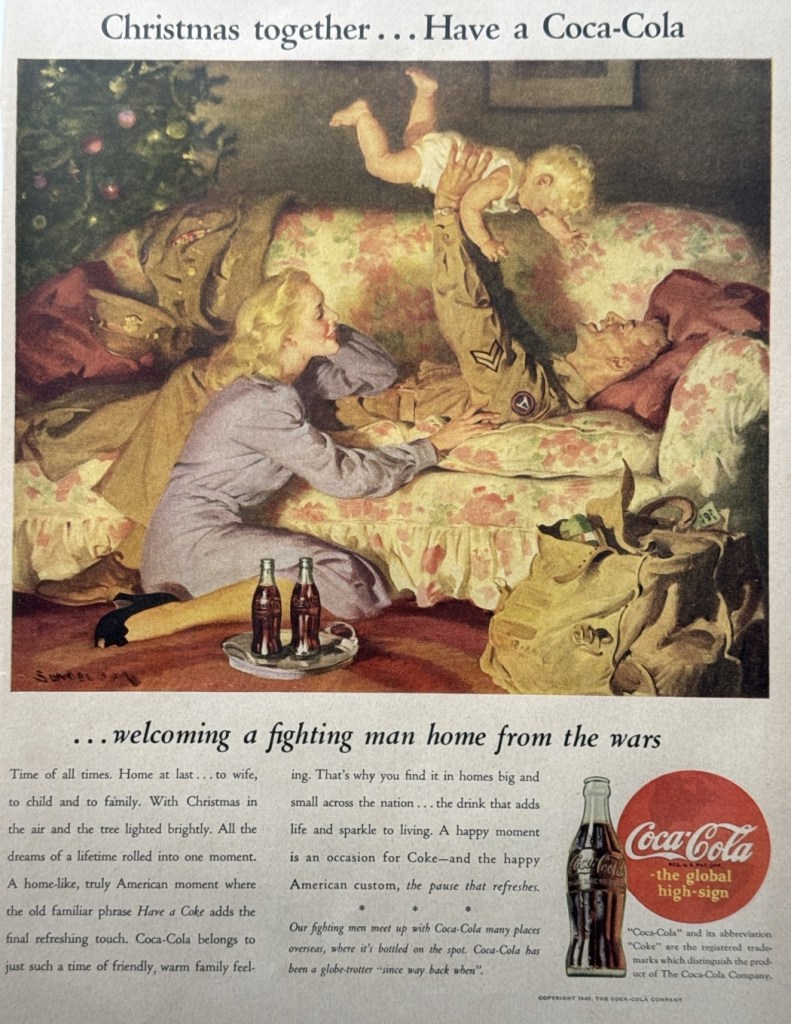
German immigrants brought the custom to North America even earlier, but it was the Victorian era’s embrace that transformed the Christmas tree into a cultural staple. Over time, decorations evolved from fruit and candles to glass ornaments, tinsel, electric lights, and the wide variety of styles seen today.
From ancient evergreen symbols to modern festive centerpieces, the Christmas tree reflects centuries of tradition, adaptation, and celebration—standing each year as a glowing reminder of continuity, hope, and togetherness.
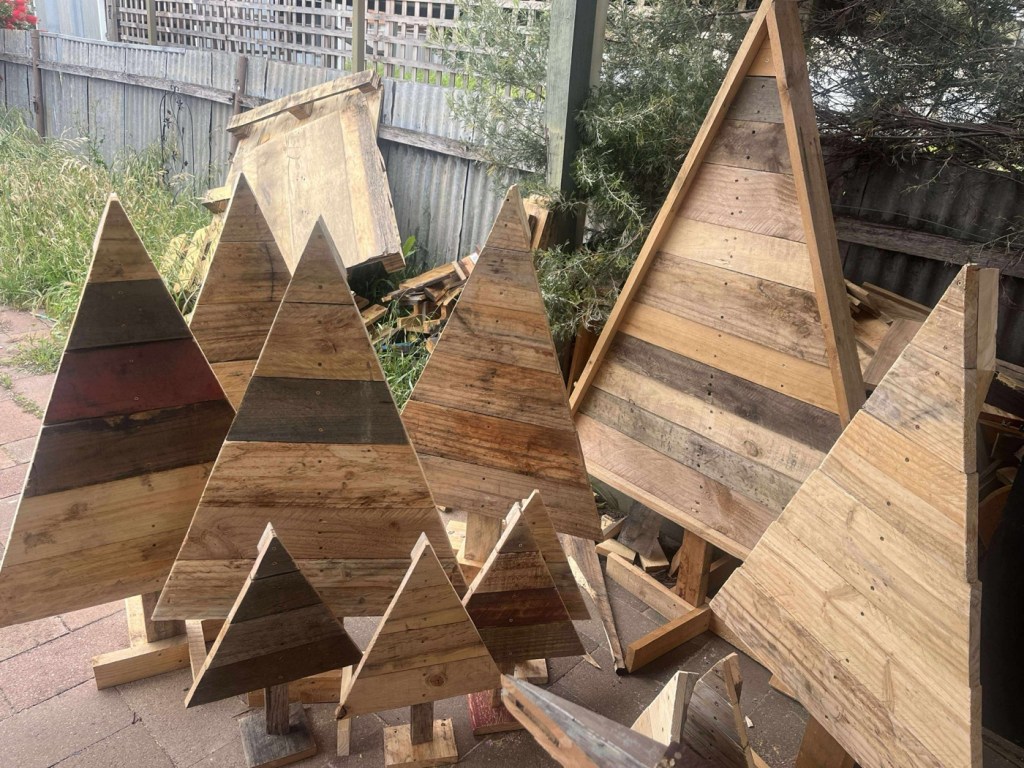
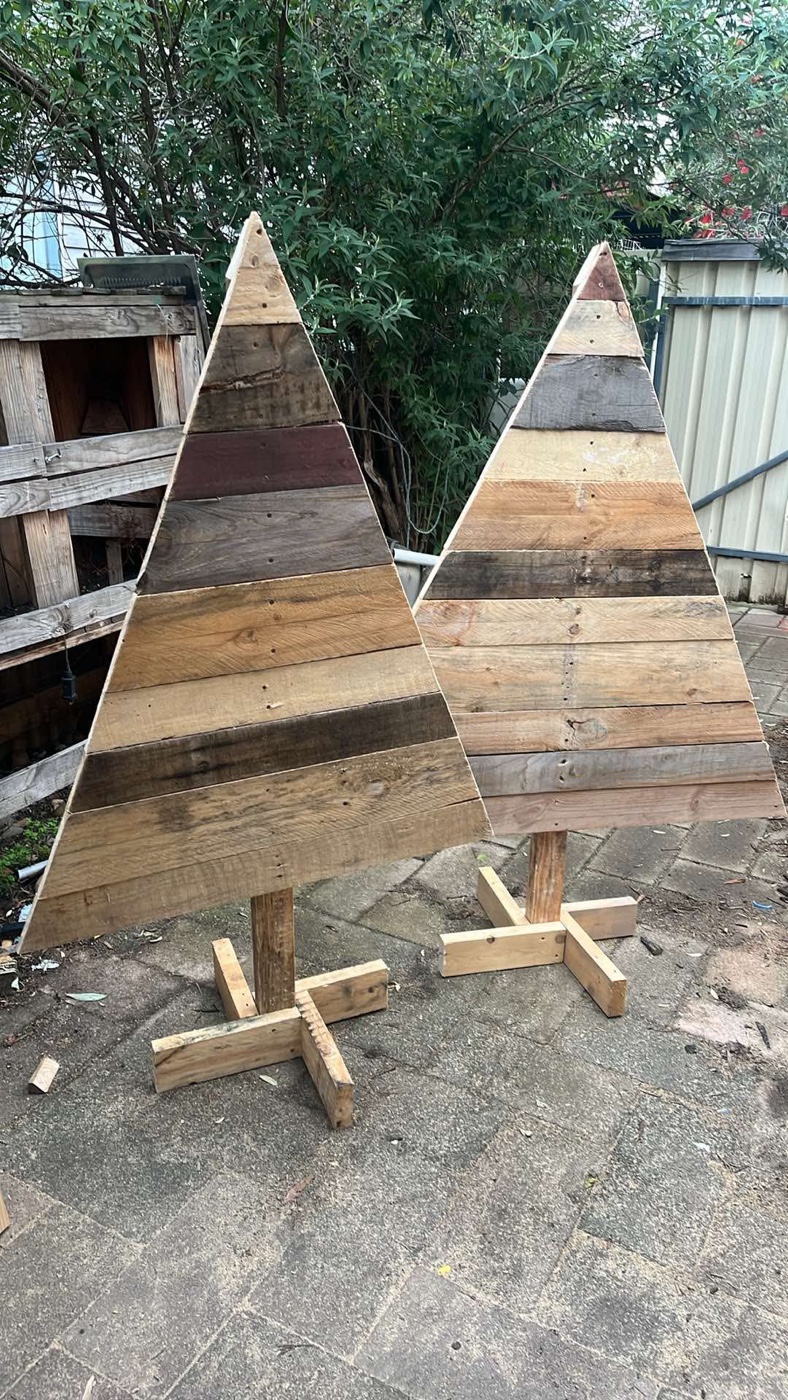
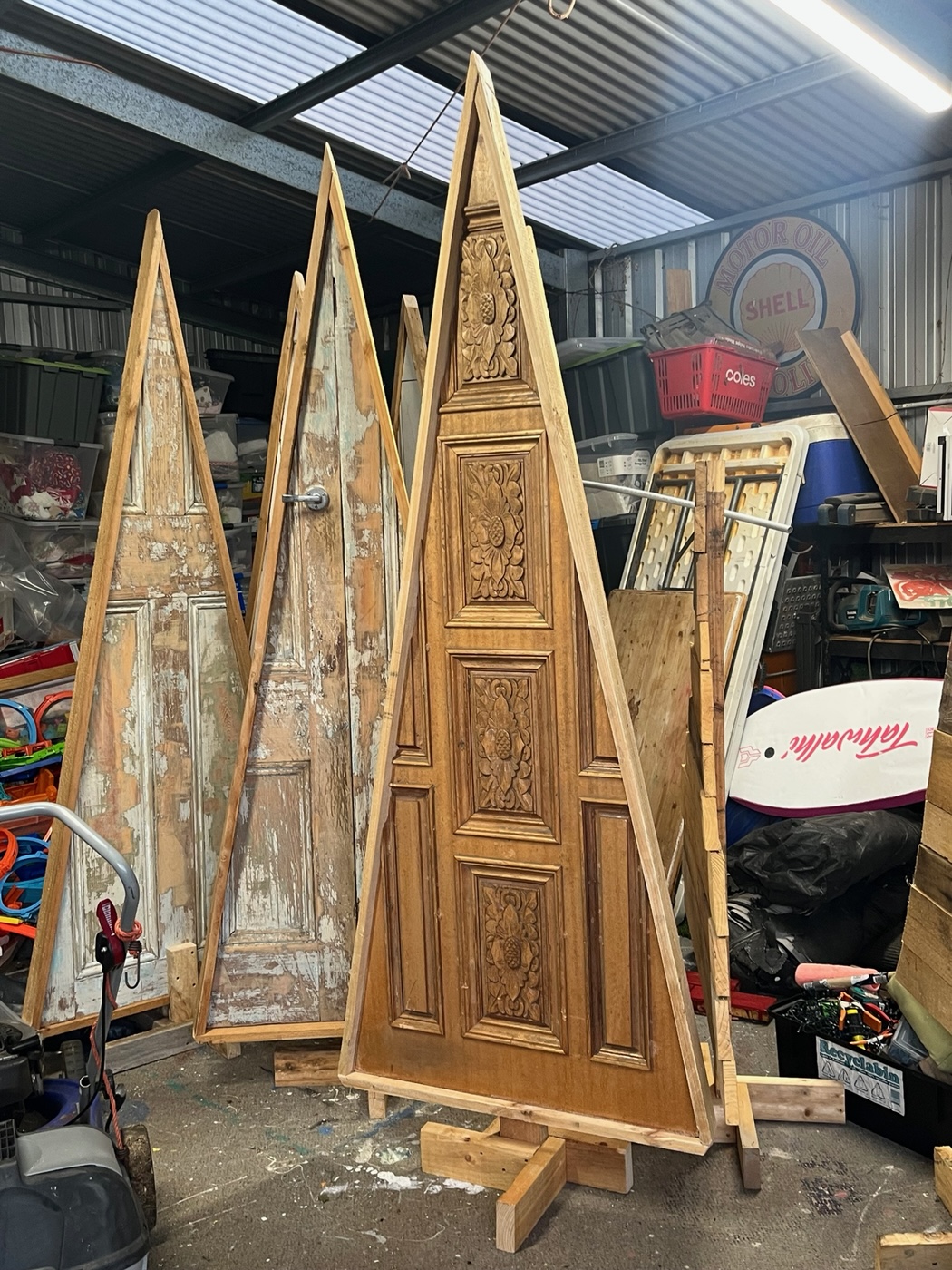
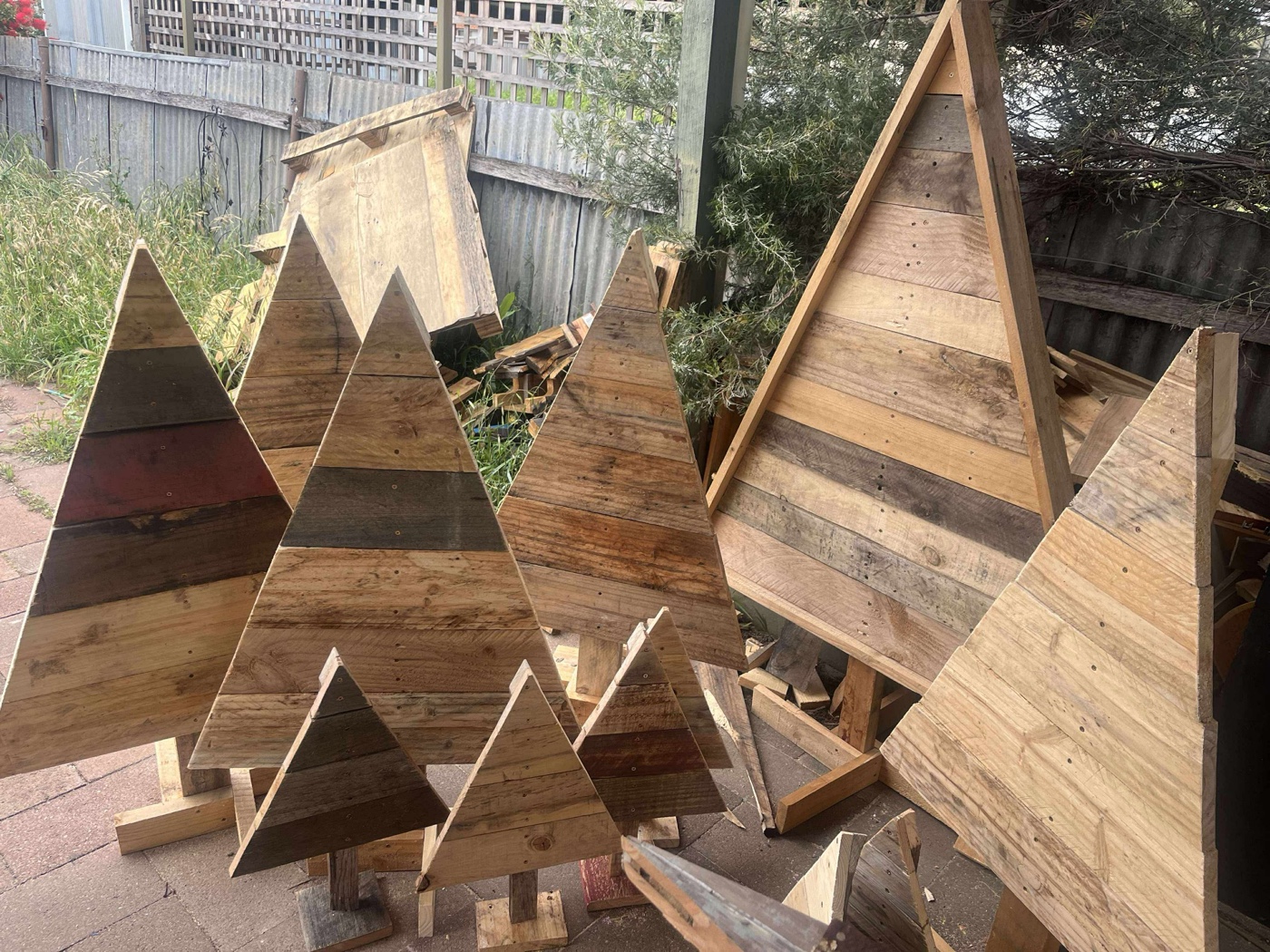
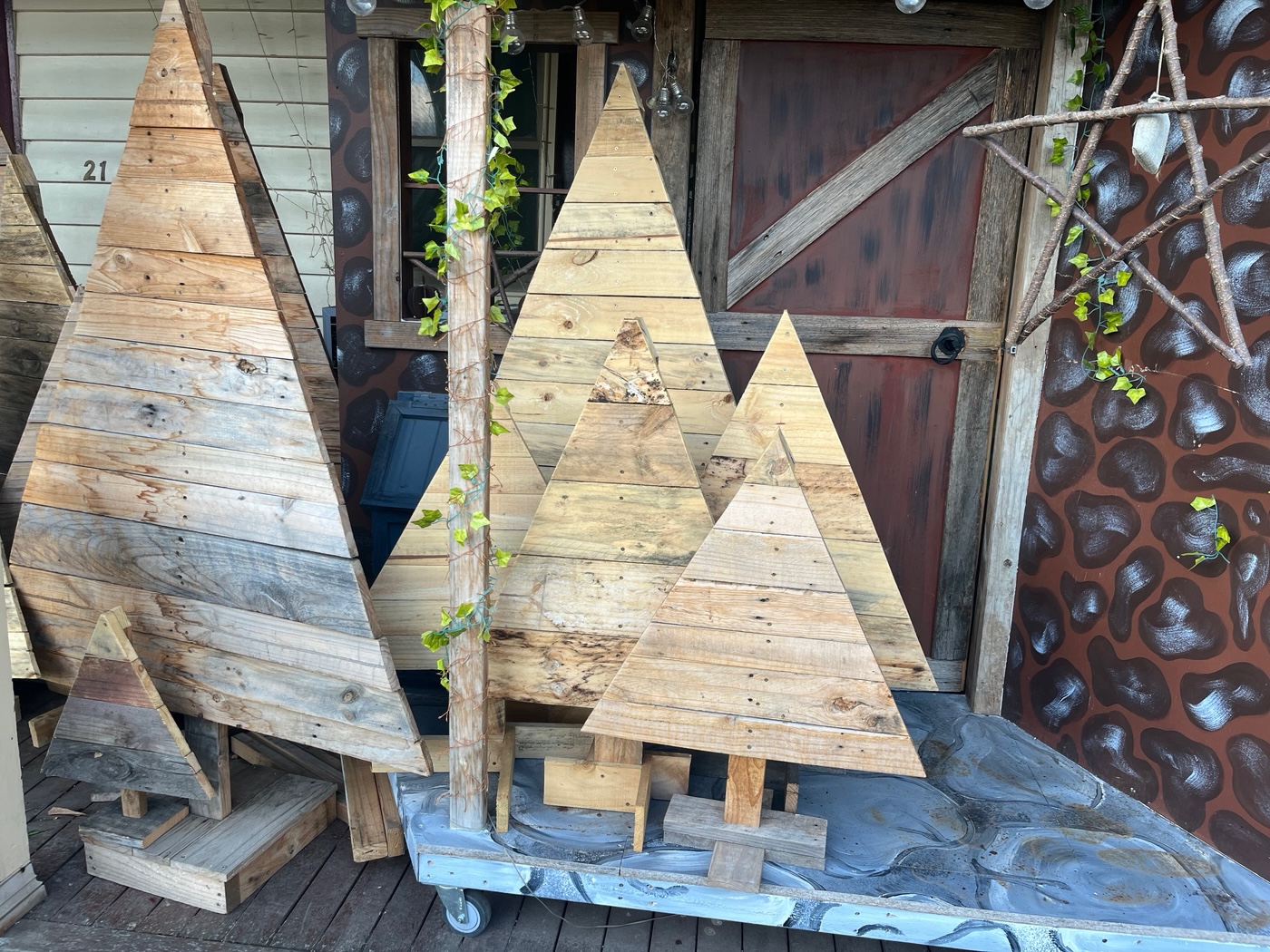
On Sunday 30 November 2025, visitors to the will have the opportunity to hunt for retro and contemporary Christmas collectibles, including unique pallet trees handmade by Emily in country Victoria. Emily’s take on the ‘pallet Christmas tree’ include use of recycled doors that have a character unique to each piece of workmanship – weather beaten for with old handles attached or 1970’s style carved doors.
So if you need a unique, handmade and recycled Christmas tree just in time to erect on 1 December, meet Emily at the market this weekend!
And don’t forget, if this is not your style, many of Camberwell Junction’s local traders have a huge variety of the latest Christmas ornaments and trees, including trees with builtin lights for time poor or weary shopper.




 Camberwell Sunday Market