Established by Balwyn Rotary in 1976, the Camberwell Sunday Market has become a Melbourne weekend institution. Our market is known for specialty items that are retro, vintage or nostalgic. We love being part of 'old Melbourne' and helping you find things you will find nowhere else.
And environmentally friendly - wow - we have been lowering the carbon footprint of Melbourne for years by recycling and reselling second hand items in nearly 400 weekly stall.
Discover a Treasure. Discover a Cause. Discover Camberwell.
Large parts of Eastern Australia have continued to be impacted by historic flooding that continues through 2022. These communities face a long road to recovery.
On Sunday 4 December 2022 all market proceeds will be donated to flood relief. The Rotary Club of Balwyn and associated clubs will be collecting gold coin donations at market entry points, so please join us this weekend and contribute generously to this worthy cause.
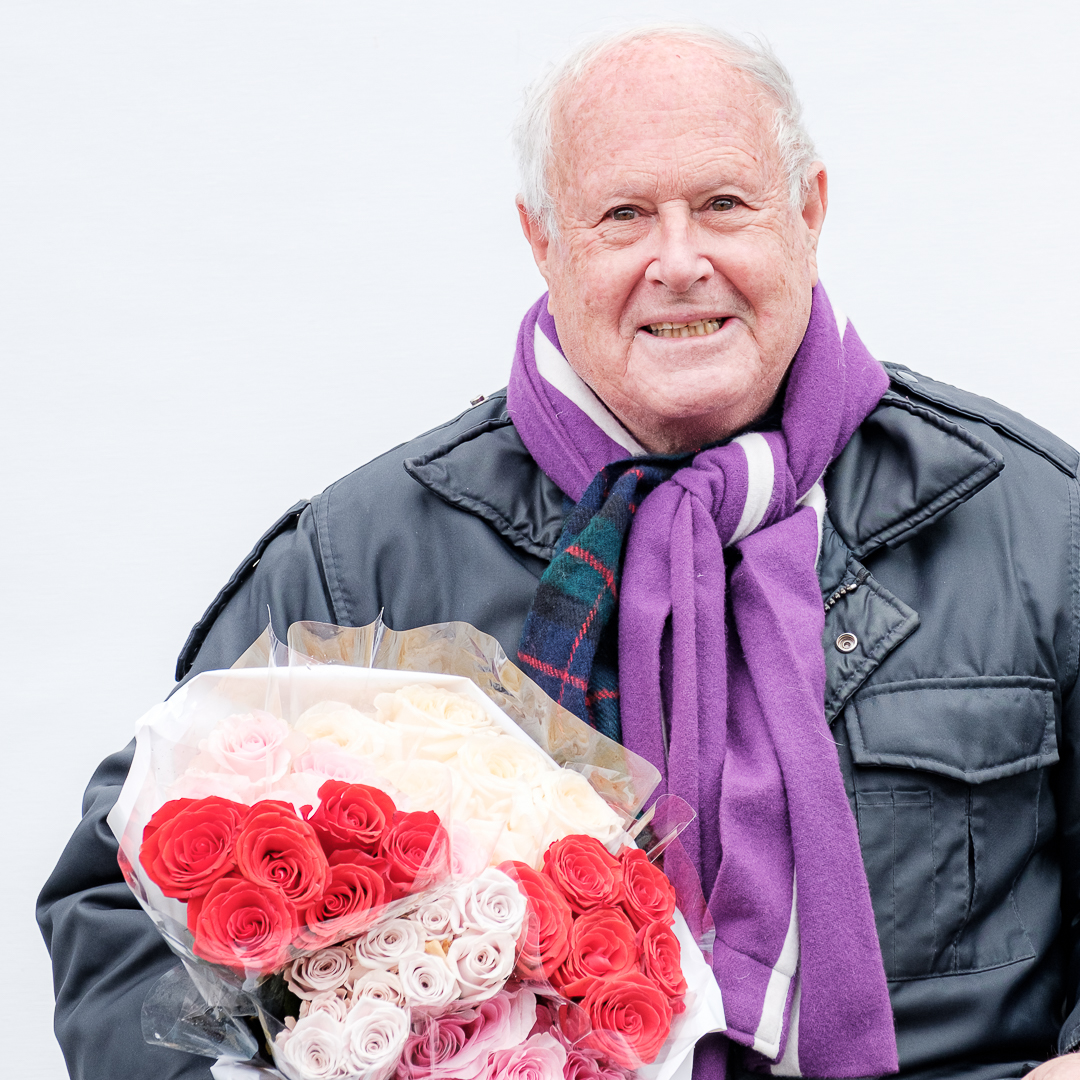
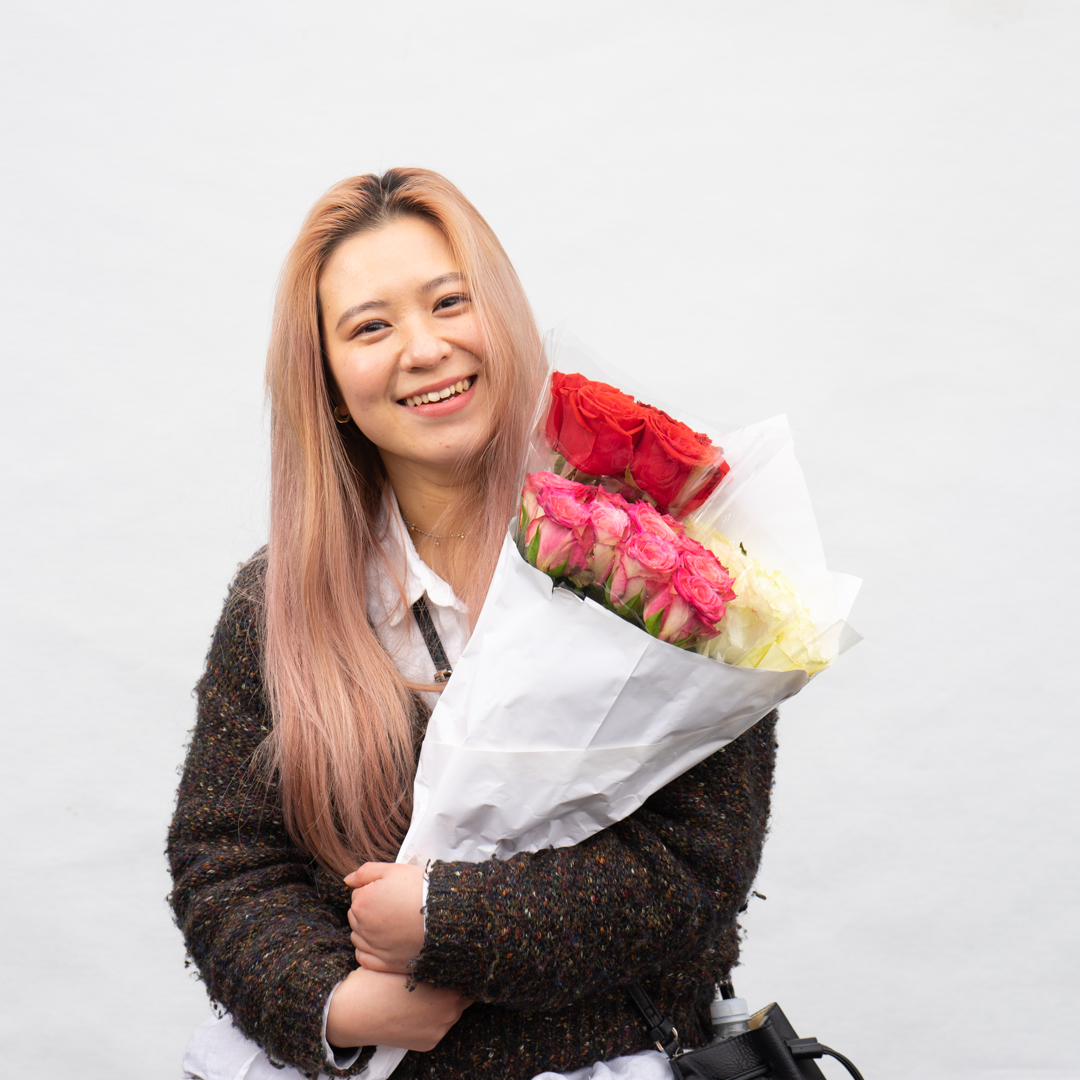
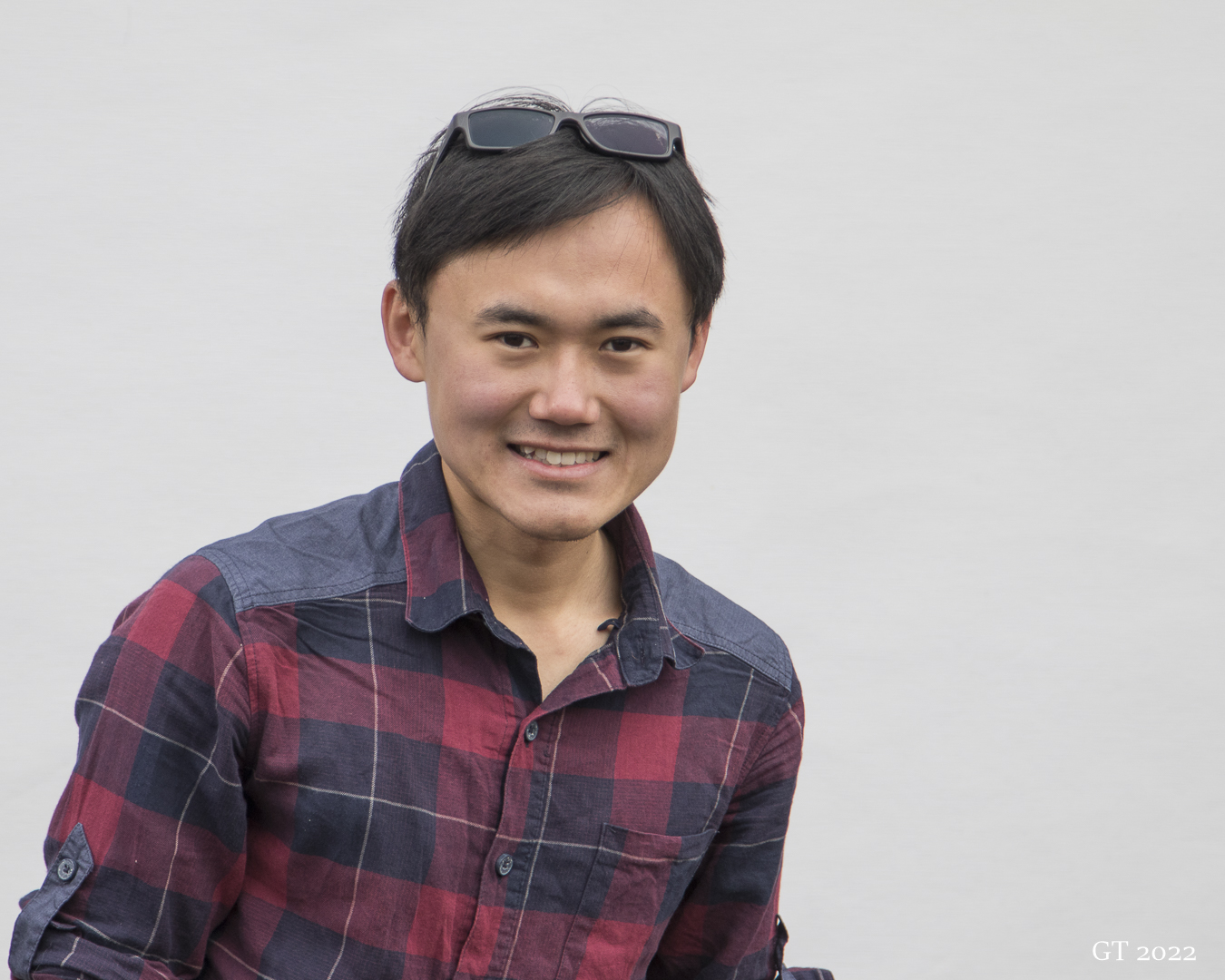
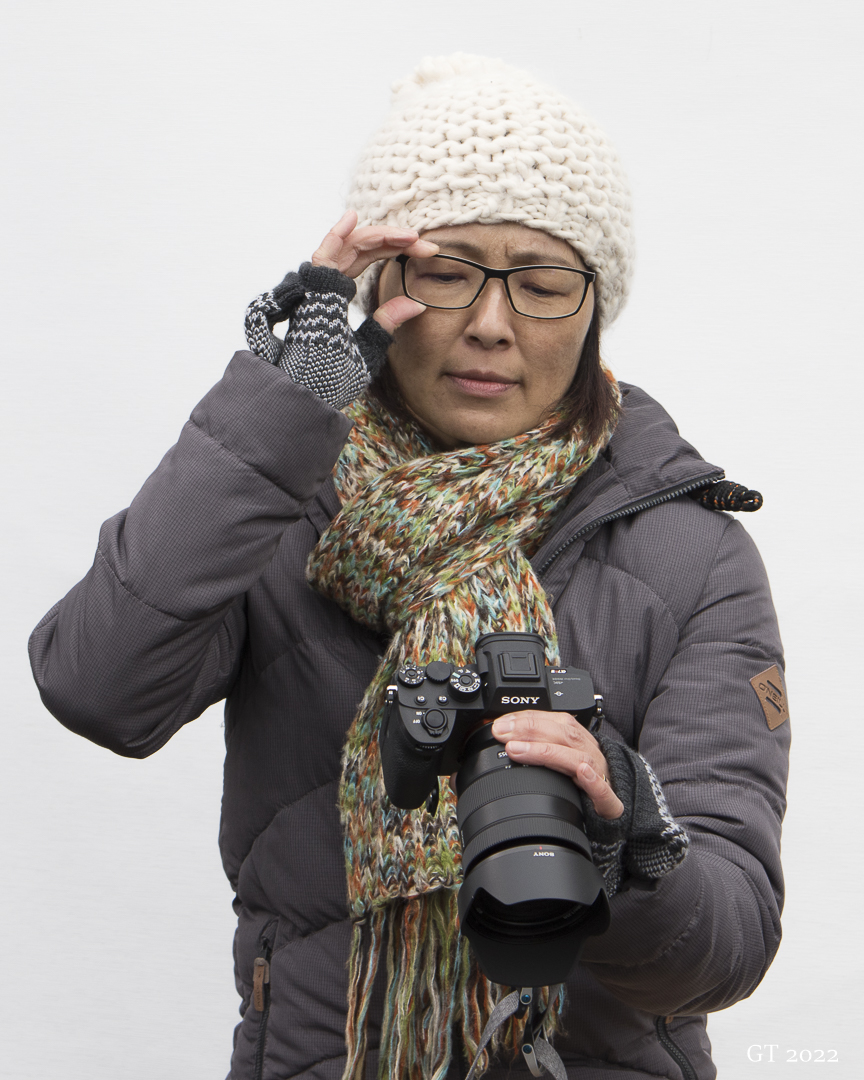
Camberwell Camera Club‘s (CCC) annual 2022 photography session had another successful day at the Market in July. Anna from the CCC thanked the Camberwell Sunday Market for the stall to set up the Photo Booth behind the ANZ Bank. “We are grateful for the advertising the event through your social media and for the public announcements throughout the day.” She said “a few people told us that they had learned about the photoshoot from the Market’s social media. We had quite a few “thank you” and lovely notes. Here are some of them:”
Thank you and all the other photographers for taking the pictures and sending them to me. I’m impressed with the “subject” and the photos they turned out great.It’s good to see the different impressions. So a big thanks to you all.Cheers, Eric
Thanks for sharing – as usual these are wonderful! Please pass on our appreciation to the club.Warmest,Lynda & Ceri
Dear Anna and all. What a surprise to receive those professional photos. Well done to you and all. Very pleased with the results. Thanks and cheers from Ian. (Been attending Camberwell market for 40 years)
These are beautiful. Must frame them! Thank you so much. 🙂Regards, Devashree
Thanks very much Anna, we look forward to attending again next year.All the best,Ben and Minh
Thanks very much for sending these through, these are fantastic!Thank you, Kate
Smiling man with flowersWoman, child and dogBearded manSmiling woman with flowersTwo market stallholders being happyA dogTwo women huggingSmiling manTwo market stallholders being happy with arrow signsWoman in a coat with a big hoodWoman and man with a childSmiling womanSmiling woman and manWoman wearing glasses and a hat with a cameraWomen and childSmiling woman with a camera
If you’re looking for distinctive and beautifully crafted fashion and accessories, look no further than Camberwell Junction.
Whether you’re searching the stalls of Camberwell’s Rotary Sunday Market or browsing the shelves of Camberwell Junction’s boutique fashion stores, you’re sure to find that special, one-of-a-kind piece.
Camberwell Sunday Market stallholder Helen Yang and Camberwell Junction trader Anabela Mangogna both offer bespoke products across the fashion and accessories category, ensuring you’ll walk away with a piece as individual as you are.
Get to know more about them and their wares below.
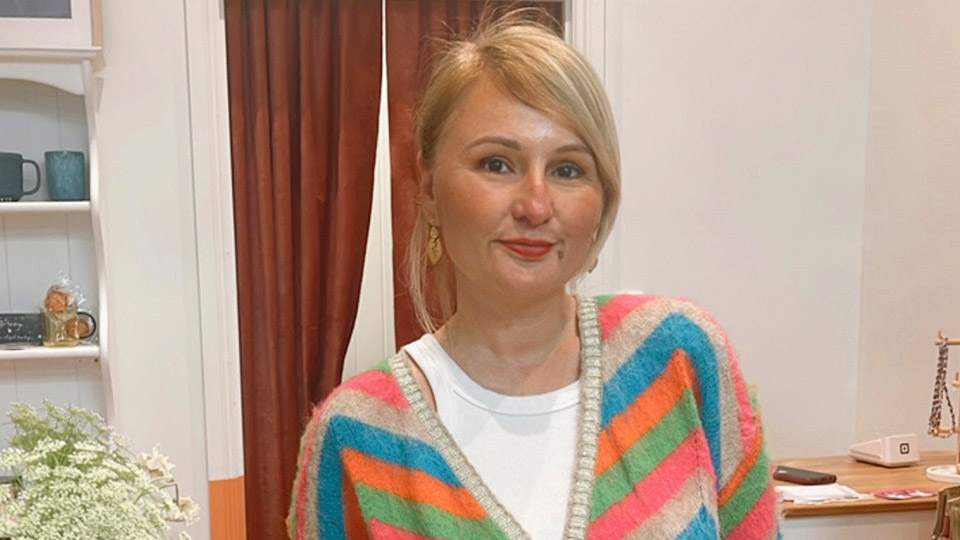
Meet Camberwell Sunday Market stallholder Helen Yang
Helen Yang is renowned for creating distinctive accessories in her signature Japanese button style.
Her business B2 Buttons and Beads has been operating a stall at the Camberwell Sunday Market for more than 10 years.
Using traditional Japanese silk fabrics in bright colours and stunning prints, Ms Yang sells a range of products including earrings, hair clips, rings, brooches, magnets, head bands, cards, soft toys and more.
She also uses high-end Japanese Miyuki Delica beads in the beading products and Liberty fabrics from the renowned London department store.
“I love making these things. It allows me to be very creative. And I’m always trying to learn new techniques so I can make new products,” she said.
Ms Yang has recently taken up leathermaking and now offers a collection of handmade leather bags, purses, and pouches. Her signature handbag design features an interchangeable strap which allows the bag to be carried as a backpack or over the shoulder.
“When I buy the leather, I make sure I buy it in Melbourne so I can see it and feel it myself before I buy it. I want to make sure it is authentic,” Ms Yang said.
Ms Yang said she hoped her designs would bring happiness to those who purchased them.
Meet Camberwell Junction trader Anabela Mangogna
Ever since she was little, Anabela Mangogna dreamed of fashion. She dressed her dolls, was fascinated by fashion magazines and loved to dress up in her mum’s jewellery and make-up.
And now she is harnessing that passion in Camberwell Junction at her beautiful clothing and accessories store, Bellite. Learn more here.
To celebrate the homecoming of Camberwell icon Kylie Minogue, we’re hosting a Kylie Appreciation Day on Sunday, October 23 in partnership with Camberwell Junction shopping precinct. On the day you can expect lip-sync performances of Kylie’s greatest hits, Kylie trivia, a fashion parade, a special performance by Melbourne’s most famous Kylie impersonator Millie Minogue, as well as a Kylie look-alike dress-up competition, with prizes to be won. Find out more here: https://bit.ly/3CHYBrA
Australians are in the grip of a toxic relationship with fast fashion. Fashion is a great way to express our personalities to the world – and fast fashion is a cheap and easy way to update our looks. Yet fast fashion also comes at a huge cost to the environment.
It has resulted in what’s known as the sustainable fashion movement; a movement that’s being embraced by Camberwell Junction.
Every piece of clothing manufactured has a huge environmental impact. Fast fashion is often produced overseas, in countries that have low environmental standards. A large amount of energy and water goes into its production, and additional carbon is emitted transporting it into Australia and to stores.
Fast fashion is not made to last, which means we buy more of it, more often, exacerbating the problem. Then, the items are sent to landfill, creating another environmental issue.
It’s estimated that every year every Australian acquires and throws out 23 kilograms of clothing and textiles. Ninety per cent of this ends up in landfill.
So bad is fast fashion to the environment that recently clothing textile waste was added to the National Priority Waste List alongside electronics, and plastic oil containers.
The good news is, at Camberwell’s Rotary Sunday Market and the Camberwell Junction shopping precinct, you can still indulge your love of fashion and also be part of the sustainable solution.




















 Camberwell Sunday Market