For more than 40 years, shoppers in
search of antiques and second-hand treasures have flocked to the Rotary
Camberwell Sunday Market.
Having started in 1976, the weekly
market has become a city-wide institution, as one of Melbourne’s biggest
markets for pre-loved wares.
The very first market featured only
48 stalls, attracted 1700 people and made a humble $531.
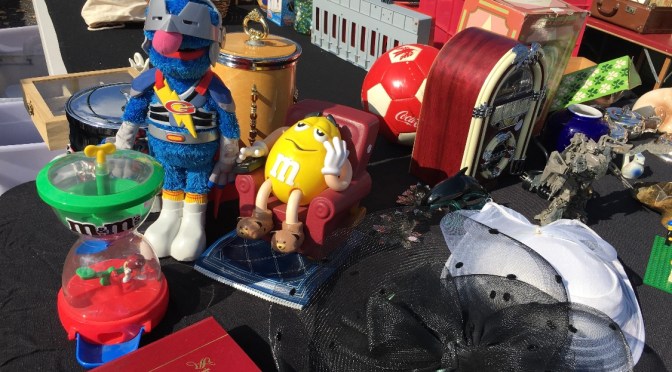
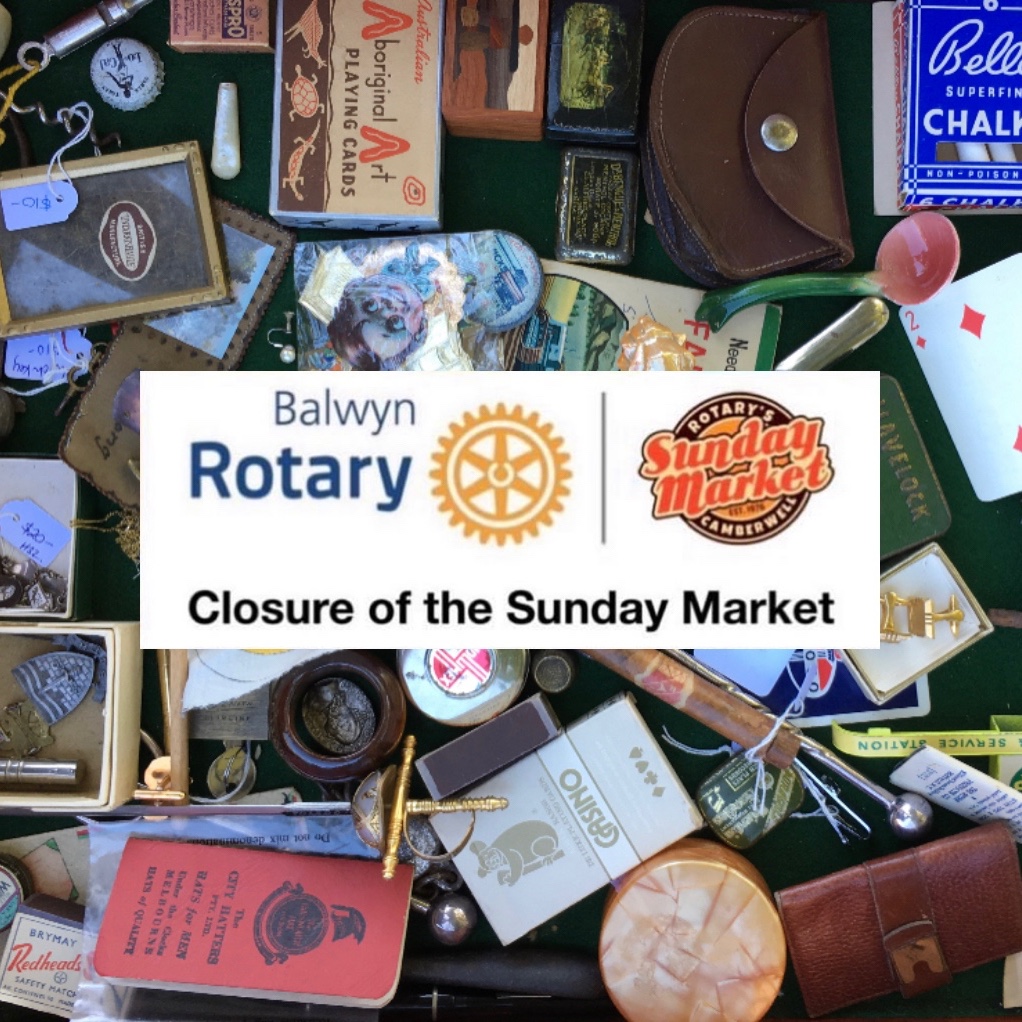
Nowadays, there are more than 380 stalls at the Rotary Camberwell Sunday Market, which has a vast offering including bric-a-brac, collectibles, vintage fashion, books, records and even hardware items.
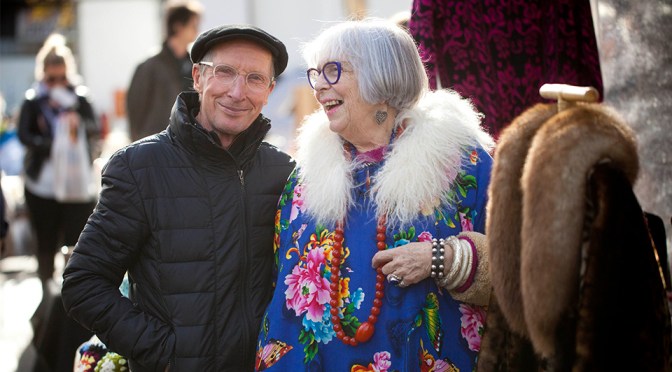
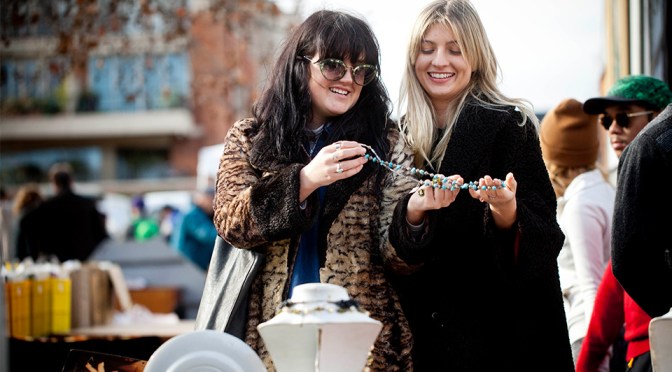
The outdoor marketplace remains a
destination for locals and tourists alike, with some 250,000 people descending
on the suburban carpark every year.
Historic market characters
Much of the history of the Rotary
Camberwell Sunday Market is tied up in its colourful stall holders.
There is collector Ray Nicholls, who
has shared his passion for newspapers and magazines from his stall for about
three decades.
And having entertained crowds for
more than 20 years, Saxophonist Neil Whitford has been commemorated with a memorial
plaque on the walkway at the marketplace.
The history of fundraising
Since the market began, the Rotary
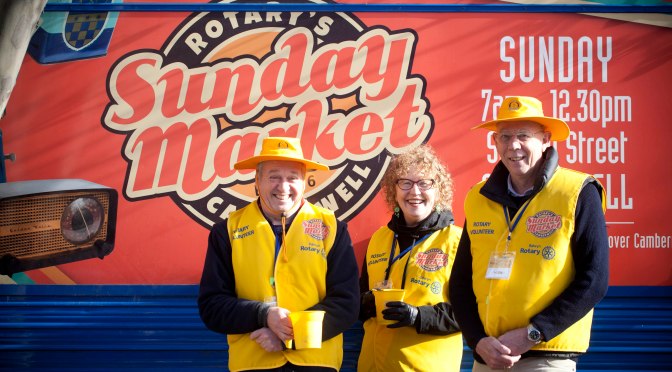
Camberwell Sunday Market has operated under the guidance of Balwyn Rotary who
have been fundraising by accepting donations in their iconic yellow cups.
Visitors are asked to make a gold
coin donation to enter the markets, with funds going to the Balwyn Rotary club,
which supports numerous important charitable causes.
Tireless volunteers have raised more than $16 million since the market first opened to support local and overseas communities.
Their fundraising efforts have aided
numerous causes including Eastern Emergency Relief, Box Hill Hospital, Violence
Free Families and New Zealand Earthquake Rebuilding.
Camberwell’s history
While Rotary Camberwell Sunday Market has a fascinating past, the wider Camberwell shopping precinct has its own rich history as one of the oldest shopping strips in Melbourne.
The suburb drew its name from The
Camberwell Inn, an inn built in the area in 1853.
The story goes that the area
reminded the establishment’s owner of London’s Camberwell Green area.
Business activity along Burke Rd rose
after the railway line was extended to the area in 1882, prompting residential development
and further commerce in the shopping precinct.
Today, there are some long-standing gems
located throughout the precinct.
For example, the Rivoli Cinema first opened in 1921 at 570 Burke Rd. In 1940, it relocated to its current location at 200 Camberwell Rd, and in 1968 it was the first cinema in Australia to be converted to a twin auditorium. In the year 2000, following a $16 million refurbishment, the Rivoli reopened as an eight-screen multiplex. The cinema is renowned for its Art Deco design, grand staircase and unique circular patterned carpet.
Another local icon is the Camberwell Fresh Food Market, which has been operating for more than 85 years. The market was established in the 1930s where the site was originally a horse carriage factory that later become a produce market, servicing the market growers of the area. Many stall holders today are second and third generation family-run businesses and still trade in the traditional style.
Planning to visit?
If you’re planning immerse yourself
in a little history at the Rotary Camberwell Sunday Market, there are a few
things to keep in mind.
The market opens from 6.30am until
12.30pm every Sunday except for Sundays that fall within 10 days before
Christmas.
The marketplace is located in the carpark on Station St, tucked behind the Burke Rd shopping precinct. If you want to set up a stall, then check out this guide on how to book a spot.
This article also appears on the Camberwell Shopping website.



 Camberwell Sunday Market